The Pioneering Wildlife Success Stories of Port Lympne
In 2026, Port Lympne Hotel & Reserve proudly celebrates its Golden 50th Anniversary.
For half a century, Port Lympne has been much more than a place to see incredible animals. Since opening to the public in 1976, the Reserve has become a centre for endangered species breeding, conservation and rewilding, helping give some of the world's most threatened animals a future in the wild.
Today, more than 900 animals from over 90 species call the 600-acre Reserve home. But perhaps the most remarkable part of Port Lympne's story is what has happened beyond its boundaries, with animals born and raised in Kent going on to begin new lives in protected habitats across Africa and Europe.
As Port Lympne celebrates 50 years, let's look back at some of the conservation successes that have helped shape its extraordinary history.

From an ambitious vision to 50 years of conservation
The story began in 1973, when conservationist John Aspinall purchased Port Lympne as an expansion of nearby Howletts Wild Animal Park. His vision was ambitious: create a place where people could experience extraordinary animals while supporting endangered species breeding and, ultimately, helping return animals to the wild. When Port Lympne opened to the public in 1976, that vision entered a new chapter. Five decades later, the Reserve continues to combine wildlife experiences with conservation. Every visit helps support the work of caring for endangered animals and contributing to conservation projects. And some of the stories that have emerged from Port Lympne are truly remarkable.
Black rhinos: from Kent to Africa
One of Port Lympne's greatest conservation success stories is its work with eastern black rhinos.
Black rhinos have been part of Port Lympne's history almost from the beginning. In 1977, a rhino named Naivasha gave birth to Basha, the Reserve's first black rhino calf.
Since then, Port Lympne has celebrated the birth of more than 40 further black rhino calves, but breeding endangered animals was only part of the ambition.
In 1995, Bwana Kidogo, a black rhino born at Port Lympne, became the first captive-born black rhino to be returned to Africa, travelling back to his ancestral homeland with partner charity The Aspinall Foundation.
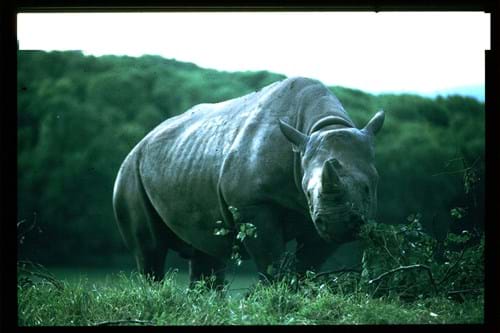
Bwana Kidogo
Since then, the Reserve's breeding programme has helped eight eastern black rhinos return to Africa. These animals have gone on to produce 25 calves and more than 60 descendants across Tanzania and South Africa.
The story is still being written. Three more Port Lympne-born rhinos, Kisima, Chanua and Mizi, are being prepared for potential rewilding, with hopes that they will begin their journey to Tanzania later in 2026.
That's conservation with a truly wild ambition: animals born in Kent helping to build new generations of rhinos in Africa.
Western lowland gorillas: generations of success
Gorilla conservation has also been central to the history of Port Lympne and its sister park, Howletts Wild Animal Park.
Together, the parks are recognised as among the world's most successful breeding programmes for critically endangered western lowland gorillas.
Generations of gorillas have been born here, creating an important population that contributes to the long-term conservation of the species.
One particularly extraordinary story is that of Djala.
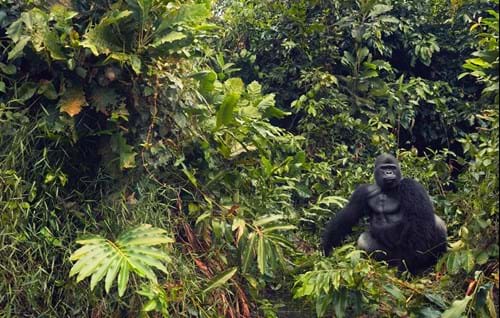
Djala in the forests of Gabon
Rescued from the bushmeat trade in the Congo in 1986, Djala was cared for at Howletts before moving to Port Lympne's Palace of the Apes.
He went on to become a magnificent silverback. Then, in 2013, Djala's story took another remarkable turn when he was successfully returned to the wild in Gabon's Batéké Plateau National Park.
After a life that began in captivity, Djala spent his final years living free.
His story demonstrates what conservation can ultimately strive towards: not simply protecting endangered animals, but giving them an opportunity to return to the ecosystems where they belong.
African painted dogs return to Gabon
Port Lympne's conservation story extends far beyond rhinos and gorillas.
In another important rewilding project, a pack of seven endangered African painted dogs returned to Gabon, marking the first time in more than 25 years that the species had been returned to the country.
African painted dogs are highly social predators that live in close-knit packs. Their survival in the wild depends on healthy habitats and connected populations.
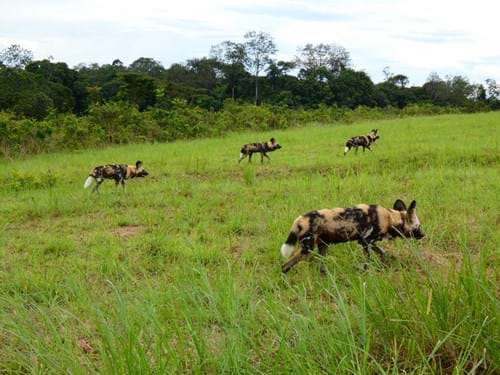
The pack exploring their new home
For these seven animals, their journey from Kent to Africa represented an important step towards restoring the species to its natural range.
Lions born in Kent return to Africa
Port Lympne's conservation work has also helped African lions take steps towards a life in the wild.
In 2022, African lion brothers Azi and Zazu, both born at Port Lympne, were rewilded in South Africa.
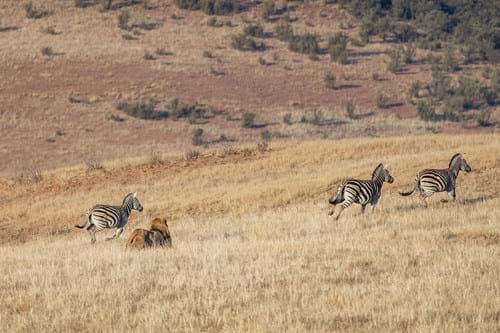
Azi on his first successful hunt in 2024
For visitors who have watched young lions grow at the Reserve, seeing animals born in Kent eventually travel thousands of miles to protected African habitats is a powerful reminder of the wider purpose behind conservation breeding.
Scar the brown hyena travels 7,487 miles
One of Port Lympne's most unusual conservation stories belongs to Scar, a brown hyena.
Born at Port Lympne Reserve in 2013, Scar made history as the first brown hyena born in captivity in the UK.
Later that year, he embarked on an extraordinary journey of 7,487 miles to reach the 6,000-hectare Sanwild Reserve in Limpopo, South Africa.
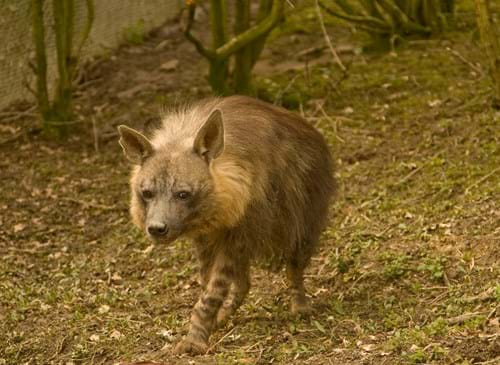
Brown hyena, Scar at Port Lympne Reserve
His story is another example of how animals born at Port Lympne can become part of conservation efforts thousands of miles from Kent.
Iberian wolves find a new home in Portugal
In 2013, five female Iberian wolves travelled from Port Lympne to a protected reserve in Portugal. The Iberian wolf is native to the Iberian Peninsula and has faced significant pressures in the wild.
Moving captive-bred animals into carefully managed conservation projects can help support populations and create opportunities for species recovery.
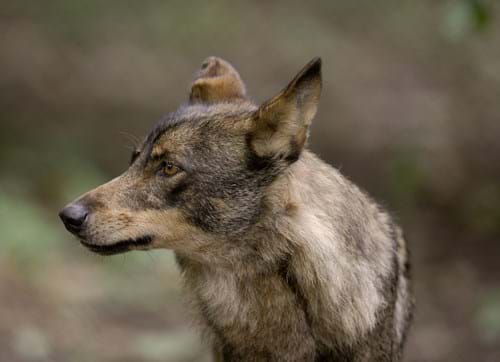
Iberian wolf
For these five wolves, their journey represented another chapter in Port Lympne's long-standing commitment to conservation beyond the Reserve.
Bringing European bison back from the brink
Port Lympne's conservation story also reaches into Europe. European bison were once on the brink of extinction, making efforts to rebuild wild populations particularly important.
On 23 April 2014, six captive-bred female bison from Port Lympne, Howletts, Highland Wildlife Park and Fota Wildlife Park were transported to Vanatori Neamt Nature Park in Romania.
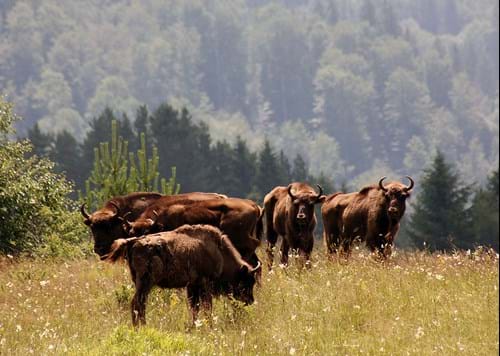
The bison herd in Vanatori Neamt Nature Park in Romania
Then, in 2016, another five captive-bred bison from Port Lympne and Howletts travelled to the 3,700-acre Valdeserrillas Nature Reserve in the mountains of north-west Valencia.
These projects formed part of wider efforts to increase European bison populations and restore this remarkable species to suitable habitats.
Conservation success doesn't stop there
While some of Port Lympne's rewilding stories have travelled thousands of miles, conservation also happens every day within the Reserve.
Port Lympne is a breeding sanctuary for numerous rare and endangered species and has achieved significant breeding successes with animals including:
- Clouded leopards
- De Brazza's monkeys
- Western lowland gorillas
- Fishing cats
- Black rhinos
- African painted dogs
- African lions
- Brown hyenas
The Reserve is recognised as one of the UK's most successful breeders of clouded leopards and De Brazza's monkeys, as well as one of the world's most successful breeders of western lowland gorillas and fishing cats.
For visitors, that means a day at Port Lympne isn't simply about seeing remarkable animals. It's an opportunity to discover the stories behind them and understand why protecting endangered species matters.
From a family day out to a global conservation story
A visit to Port Lympne might begin with a safari across the Kentish countryside, a walk among extraordinary animals or a stay in one of the Reserve's unique accommodation options.
But behind every animal encounter is a much bigger story.
A rhino calf born in Kent could one day walk across the plains of Tanzania. A gorilla born here could contribute to the future of a critically endangered species. A lion raised at Port Lympne could eventually find a new home in Africa.
That's what makes 50 years of Port Lympne so special.
Conservation isn't just about looking after animals today. It's about giving future generations of animals the chance to thrive tomorrow.
 ;
;
 ;
;
 ;
;
 ;
;
 ;
;
 ;
;
Celebrate 50 years of Port Lympne
In 2026, Port Lympne's Golden Anniversary is an opportunity to celebrate five decades of breeding, conservation, rewilding and unforgettable wildlife experiences.
From the first black rhino calf in 1977 to animals travelling back to Africa and Europe, the past 50 years have been filled with extraordinary milestones.
The story isn't over...
As Port Lympne looks towards the next 50 years, the ambition remains the same: to help ensure the survival of endangered species while inspiring visitors to care about the natural world.
Come and discover 50 years of conservation for yourself. Explore 600 acres of Kent countryside, meet some of the world's most endangered animals and experience the wildlife stories that make Port Lympne so extraordinary.
Book your visit to Port Lympne Reserve and be part of the next chapter in its conservation story.