Summer Roar at Howletts:
Meet the Amazing Residents of the Creepy Cave This Summer
Looking for unforgettable summer things to do in Kent? This summer, Howletts Wild Animal Park is inviting families to discover a whole new side of the animal kingdom as the Creepy Cave opens its doors for Summer Roar.
Book your tickets: Kids Go Half PriceEnter the Creepy Cave...
While Howletts is famous for its incredible gorillas, elephants and big cats, our Creepy Cave is home to some of the world's most fascinating smaller creatures. From giant millipedes and colourful tarantulas to curious reptiles and remarkable amphibians, these temporary residents offer children the chance to get up close to animals they may never have seen before.
Whether your little explorers love creepy crawlies or are looking to overcome a fear, the Creepy Cave is packed with fascinating facts, incredible adaptations and plenty of opportunities to spark a lifelong love of wildlife.
So, if you're searching for family activities in Kent, things to do with children this summer, or an exciting family day out in Kent, don't miss this special Summer Roar experience.
Giant African Millipedes
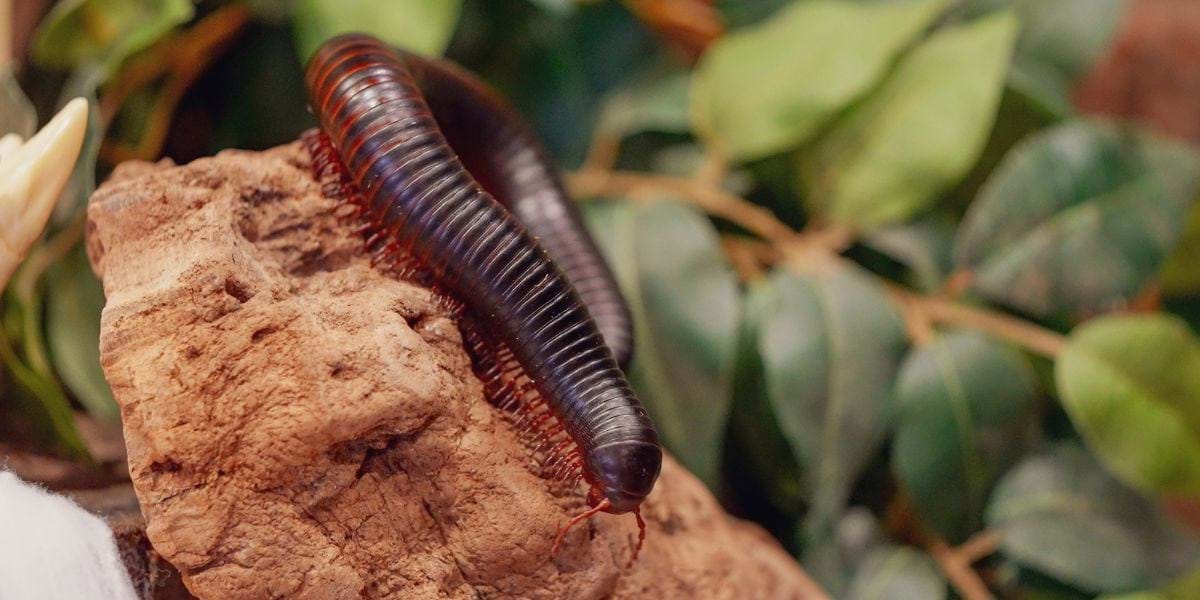
Despite their name, Giant African Millipedes don't actually have a thousand legs! Most have between 200 and 400, but that's still enough to make them one of the largest millipede species on Earth.
These gentle giants spend much of their time exploring forest floors, feeding on fallen leaves and other plant material. By recycling dead plants, they help keep forests healthy and thriving.
Fun fact: Giant African Millipedes can't bite or sting. If they feel threatened, they simply curl into a tight spiral to protect themselves.
African Land Snails
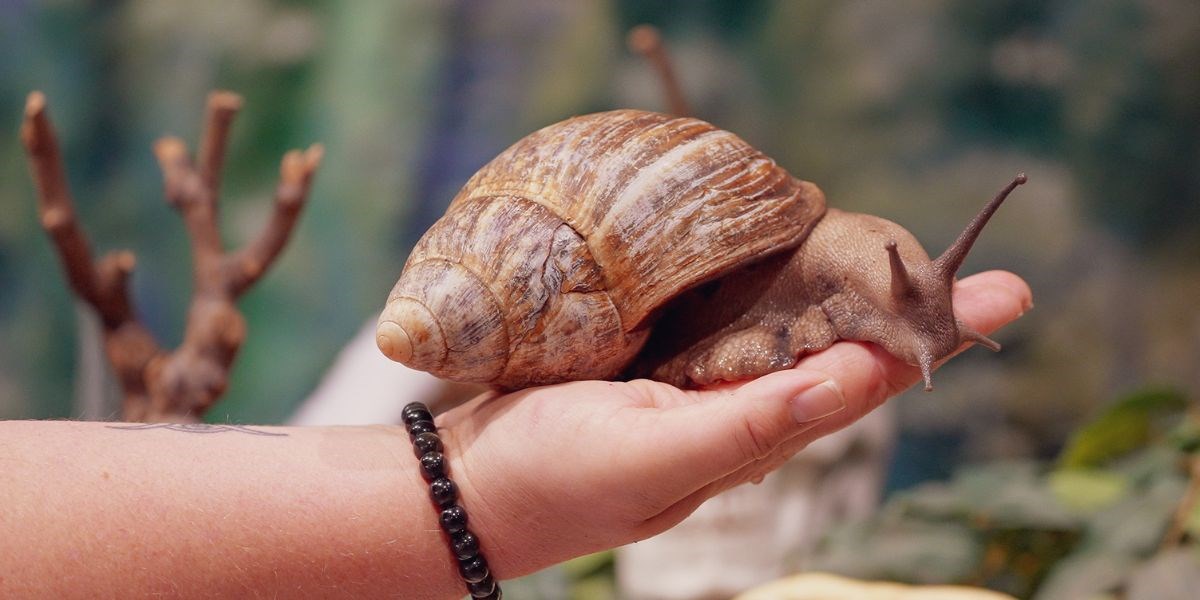
African Land Snails are among the largest snails in the world, with shells that can grow longer than an adult's hand.
Although they move slowly, they're surprisingly busy, using thousands of tiny muscles on their single foot to glide across surfaces while searching for leaves, fruit and vegetables to eat.
Fun fact: An African Land Snail has around 14,000 tiny teeth, all arranged on a special tongue called a radula.
Madagascar Hissing Cockroaches
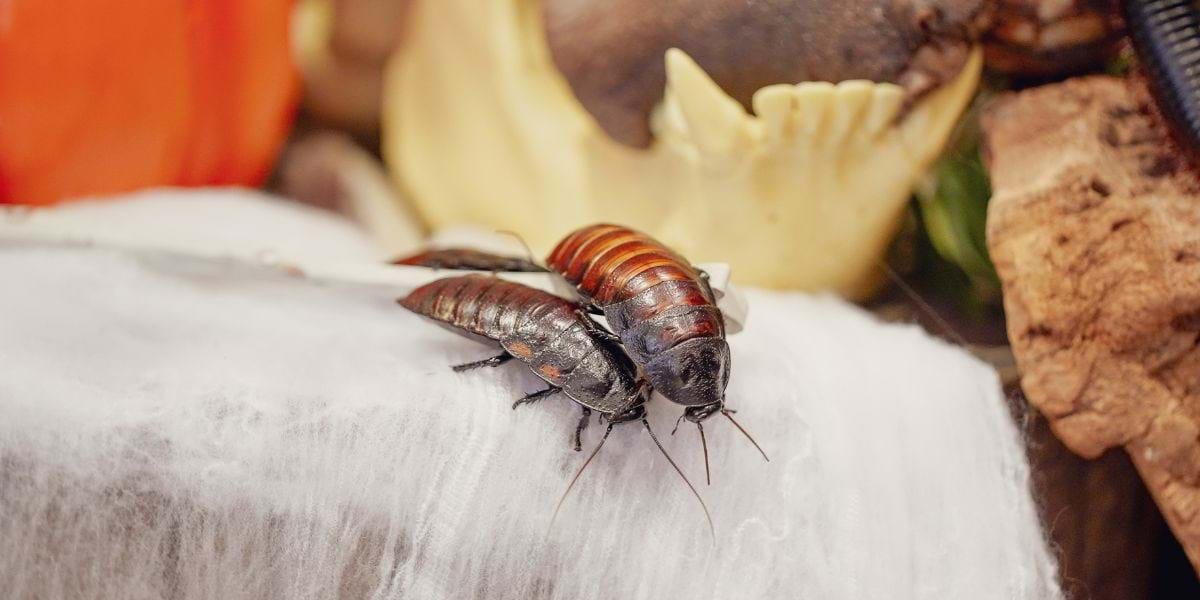
Forget everything you think you know about cockroaches! Madagascar Hissing Cockroaches are clean, fascinating insects that don't have wings and can't fly.
Instead of making sounds by rubbing their body parts together like many insects, they force air through tiny breathing holes to create their famous hiss. They use different hisses to warn off rivals, attract mates and even surprise predators.
Fun fact: They can produce several different types of hiss, each with its own purpose.
Stick Insects
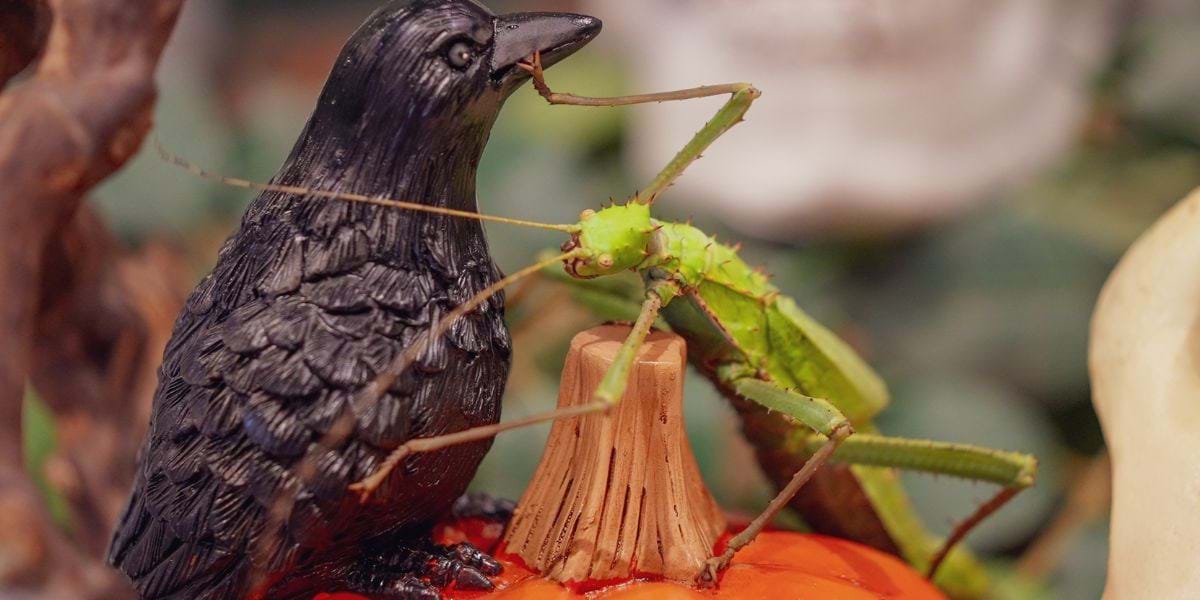
Stick insects are masters of disguise. Their long, slender bodies help them look almost identical to twigs and branches, making them incredibly difficult for hungry predators to spot.
There are hundreds of different species around the world, each perfectly adapted to blend into its environment.
Fun fact: Some stick insects can gently sway from side to side, just like a branch blowing in the wind, making their camouflage even more convincing.
Dung Beetles
Dung Beetles might have an unusual diet, but they're some of nature's hardest workers.
By collecting and burying animal dung, they recycle nutrients back into the soil, helping plants grow while also reducing waste in the environment.
Fun fact: Some dung beetles can roll balls weighing over 50 times their own body weight!
Beetle Larvae
Before becoming shiny adult beetles, many species spend months or even years as larvae.
During this stage, they spend almost all their time eating and growing before transforming through an incredible process called metamorphosis.
Fun fact: Some beetle larvae can live underground for several years before emerging as adults.
Meet the Amazing Arachnids
Arachnids may look a little scary at first, but they're fascinating animals that play an important role in ecosystems around the world.
Forest Scorpion
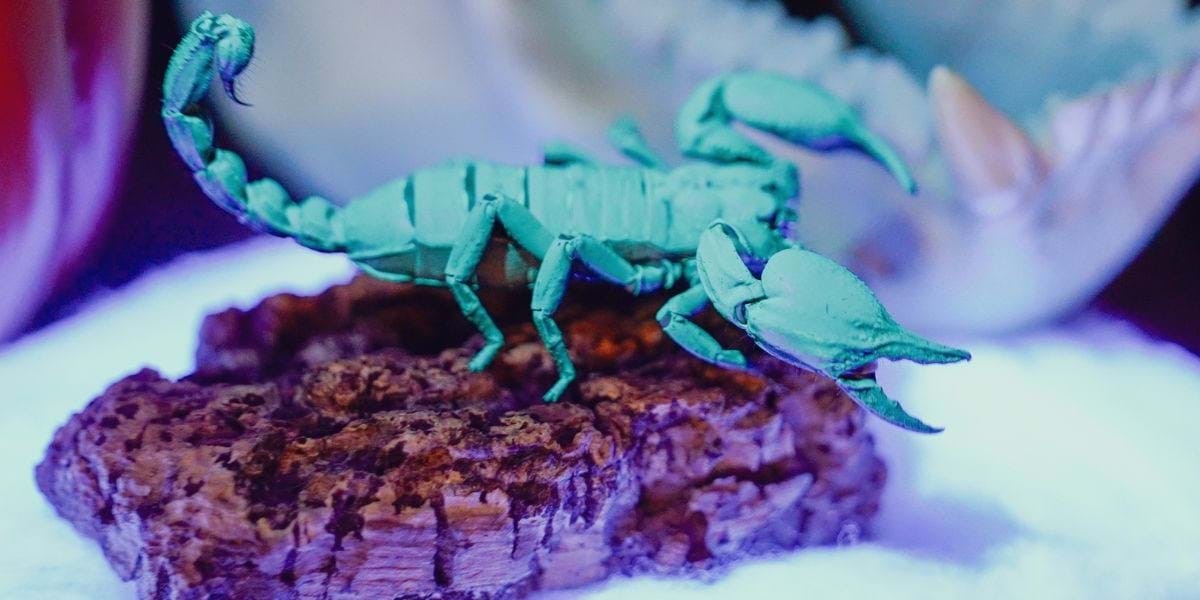
Forest Scorpions are one of the largest scorpion species, but they're surprisingly calm and spend much of their time hiding beneath logs and rocks.
They use their powerful pincers to catch insects and other small prey.
Fun fact: Scorpions glow a bright blue-green colour under ultraviolet (UV) light.
Whip Scorpion
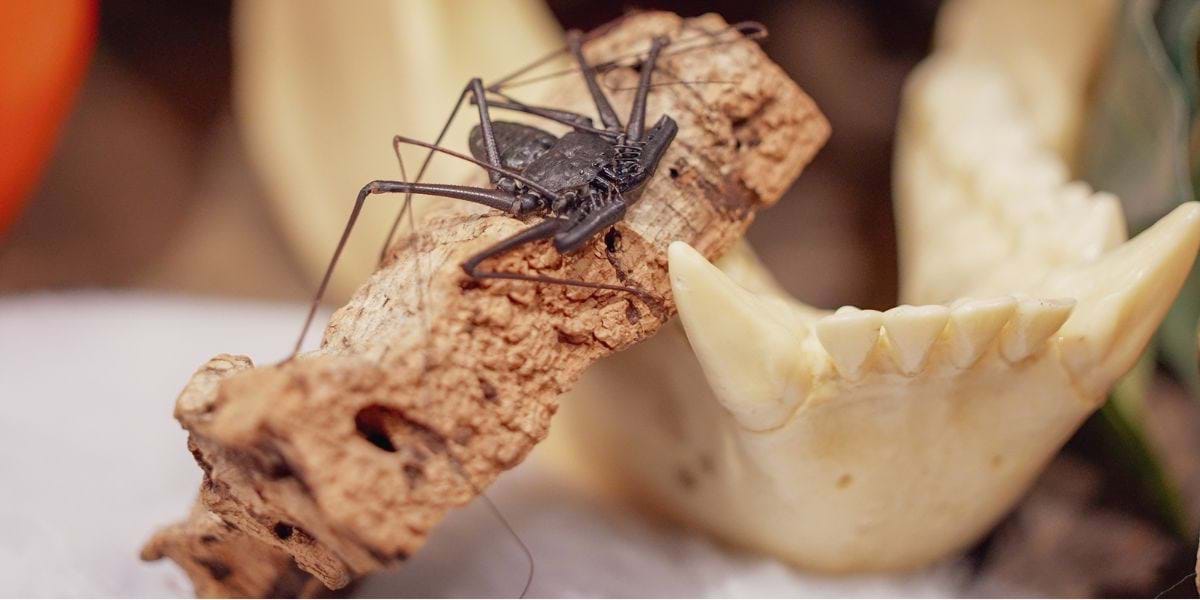
Whip Scorpions look fierce, but they don't have venom or a stinger.
Instead, they use long front legs like feelers to explore the world around them, especially in the dark.
Fun fact: If threatened, some whip scorpions can spray a harmless vinegar-like liquid to scare predators away, earning them the nickname "vinegaroons."
Brazilian Black Tarantula
Known for its velvety black appearance, the Brazilian Black Tarantula is one of the calmest tarantula species.
Although they may seem intimidating, they spend most of their lives quietly waiting for insects to wander close enough for dinner.
Fun fact: Female Brazilian Black Tarantulas can live for more than 20 years.
Brazilian Bird-Eating Tarantula
One of the largest spiders on Earth, the Brazilian Bird-Eating Tarantula can have a leg span approaching 30 centimetres.
Despite its name, birds rarely appear on the menu. Most of the time it feeds on insects, frogs and small animals.
Fun fact: When threatened, it rubs special hairs from its abdomen into the air, creating an itchy defence against predators.
Chile Rose Tarantula
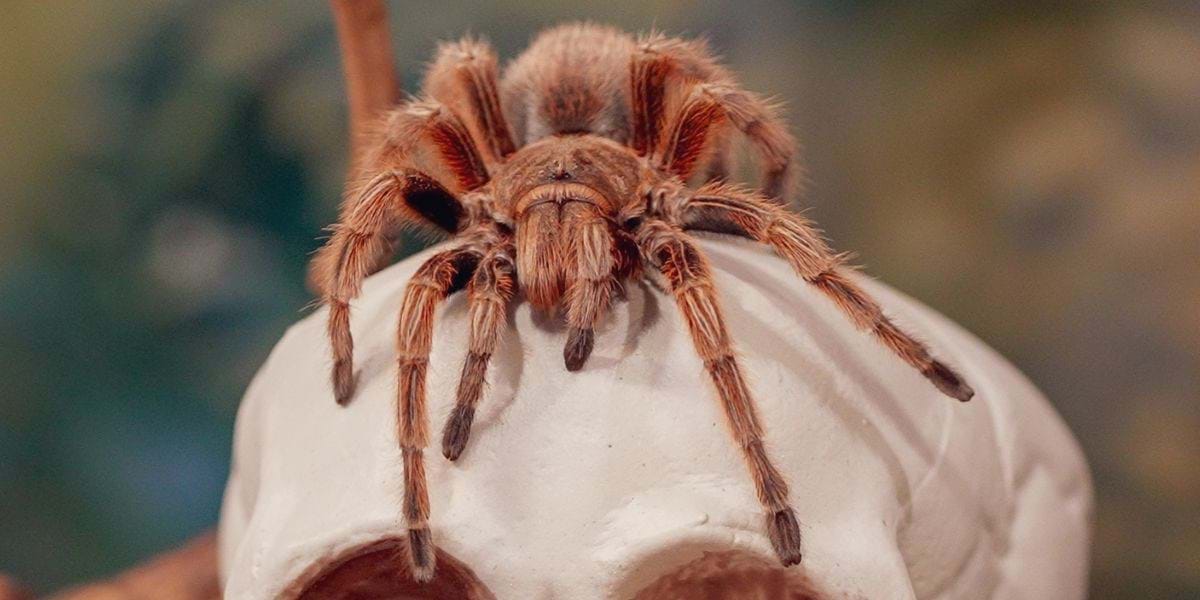
The Chile Rose Tarantula is one of the world's best-known pet tarantulas thanks to its gentle nature and beautiful pinkish colouring.
In the wild, these spiders spend much of their time hidden in burrows beneath the ground.
Fun fact: They can survive for surprisingly long periods without eating, helping them cope with changing conditions in the wild.
Mexican Red Knee Tarantula
With its striking orange-red knees, this tarantula is one of the easiest spiders to recognise.
It moves slowly and prefers to avoid danger rather than confront it.
Fun fact: Female Mexican Red Knee Tarantulas can live for up to 30 years.
Remarkable Reptiles
Reptiles have been roaming our planet for millions of years, evolving incredible ways to survive in deserts, forests and grasslands across the globe.
Royal Python
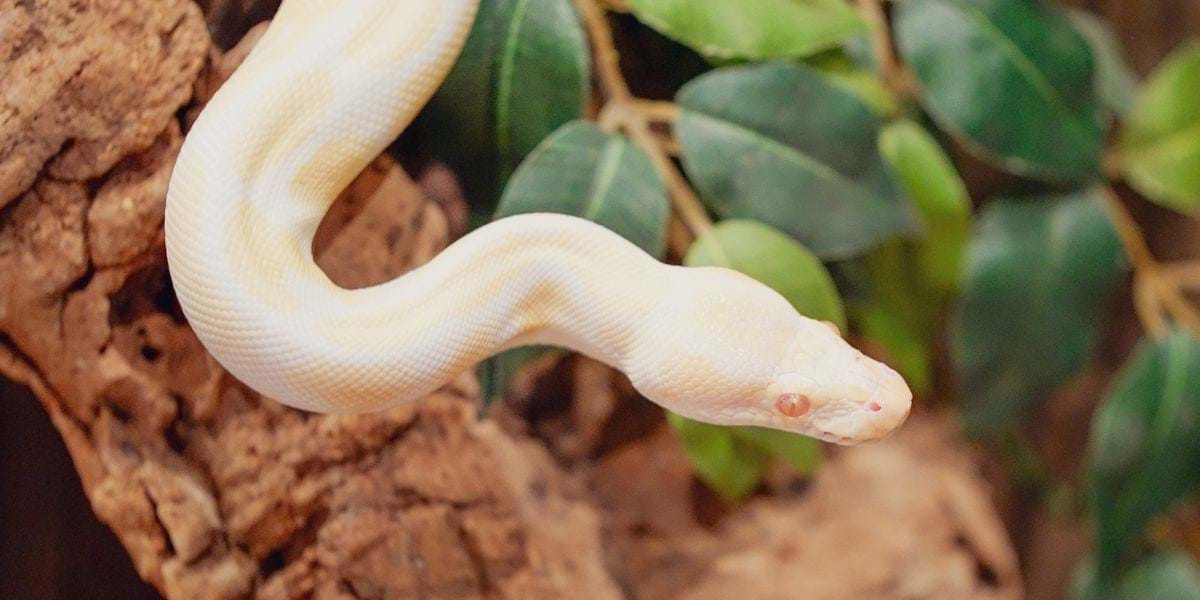
Also known as the Ball Python, this beautiful snake gets its nickname because it curls into a tight ball whenever it feels nervous.
Royal Pythons are non-venomous and use gentle constriction to catch their prey.
Fun fact: Every Royal Python has its own unique pattern of markings, just like a fingerprint.
Milk Snake
Milk Snakes are brightly coloured and often mistaken for venomous snakes, but they're completely harmless to people.
Their colourful bands help fool predators into thinking they're dangerous.
Fun fact: Their name comes from an old farming myth that they drank milk from cows, something they have never actually done!
Bearded Dragon
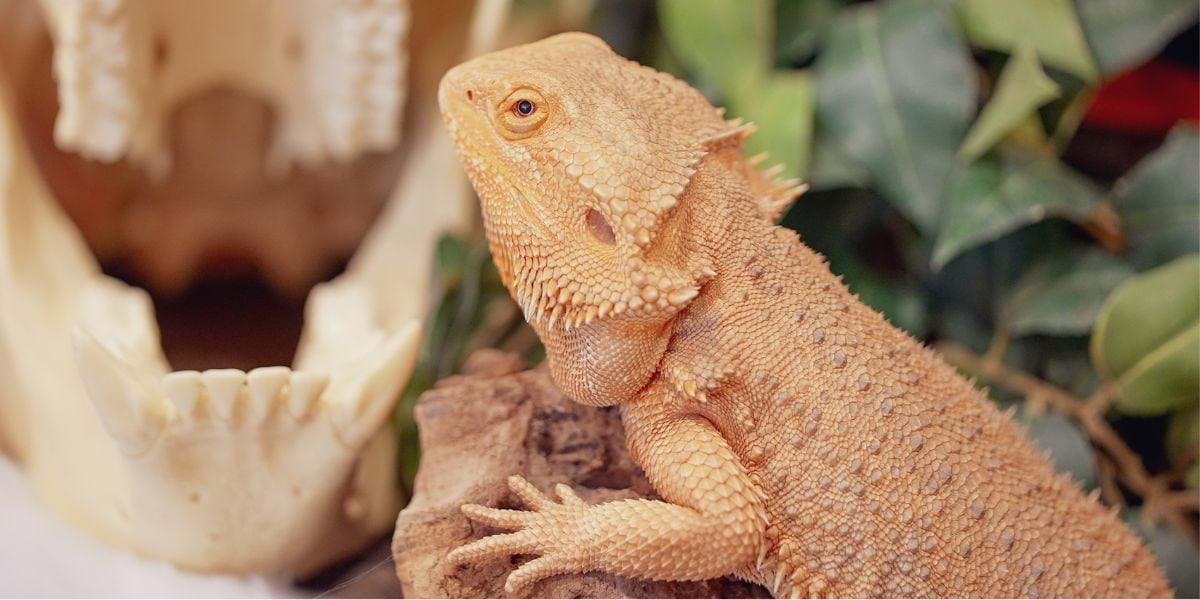
Friendly and curious, Bearded Dragons are one of Australia's most recognisable reptiles.
When they feel threatened, they puff out the spiky scales beneath their chin, making their "beard" appear much larger.
Fun fact: Bearded Dragons can even wave one arm to communicate with other dragons.
European Legless Lizard
At first glance, this animal looks just like a snake, but it's actually a lizard!
Unlike snakes, legless lizards have eyelids and ear openings, and some species can even drop part of their tail to escape predators.
Fun fact: They blink just like we do!
Hermann's Tortoise
Hermann's tortoises are slow-moving reptiles that spend sunny days searching for flowers, leaves and grasses.
With the right care, they can live for many decades.
Fun fact: Some tortoises can live for over 70 years.
Fantastic Frogs
Amphibians have amazing life cycles, often beginning life underwater before moving onto land as adults.
African Bullfrog
The African Bullfrog is one of the largest frogs in Africa and is famous for its enormous appetite.
It will eat insects, small reptiles and even other frogs if given the chance.
Fun fact: During long dry seasons, African Bullfrogs bury themselves underground and wait for the rain to return.
Pacman Frog
With its round body and enormous mouth, it's easy to see how the Pacman Frog got its name.
Rather than chasing food, it hides among leaves and waits patiently for insects to wander past.
Fun fact: A Pacman Frog's mouth is so large it can swallow prey almost as wide as its own body.
Discover the Creepy Cave This Summer
The Creepy Cave is just one of the many exciting experiences waiting for families during Summer Roar at Howletts Wild Animal Park. Alongside these fascinating temporary residents, you'll also discover some of the world's rarest wildlife, from magnificent western lowland gorillas and African elephants to tigers, rhinos and monkeys.
Whether your children love bugs, reptiles or simply enjoy discovering something new, the Creepy Cave is a brilliant opportunity to learn about the incredible diversity of the natural world while having fun together.
So, if you're planning family activities in Kent, searching for summer holiday days out in Kent, or looking for one of the best things to do with kids this summer, make Howletts part of your next adventure. You never know which amazing creature will become your family's favourite.