Conservation is at the heart of everything we do
We're committed to conservation and as such over 900 animals across 75 species call Port Lympne their home. Our Reserve is a haven for many rare and endangered animals and their care is at the heart of our existence. Our expert keepers look after the incredible animals that call our 600 acre park home, day in and day out and invite you to catch a glimpse into where the wild things are!
Buy ticketsMeet Our Animals
At Port Lympne you’ll see Kent’s only spectacled bears, western lowland gorillas, big cats, black rhinos, primates and so much more.
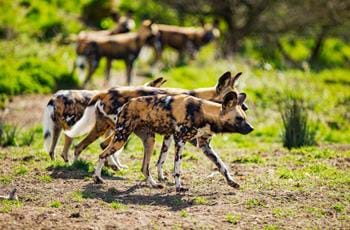
Painted Dogs
Port Lympne Reserve is responsible for the painted dog EEP which manages the European captive population for this species.
Read More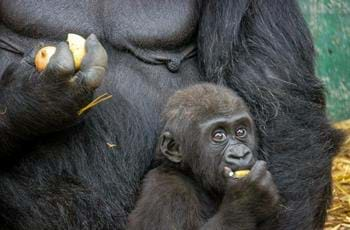
Western Lowland Gorilla
There are now only 100,000 Western lowland gorillas, 90% less than 10 years ago, due to poaching for “bush meat”.
Read More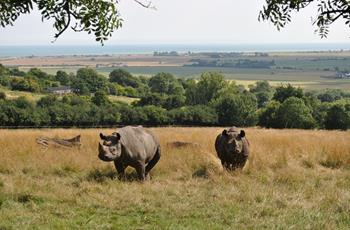
Eastern Black Rhino
The eastern black rhinoceros is also known as the East African black rhinoceros.
Read More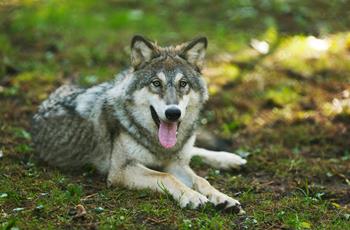
European Grey Wolves
Wolves are an enigmatic and charismatic species surrounded in myth and for centuries they have been the subject of persecution.
Read More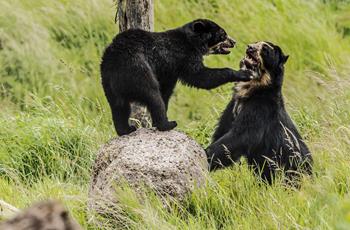
Spectacled Bear
Spectacled bears get their name from the light coloured markings around their eyes sometimes forming the shape of spectacles.
Read More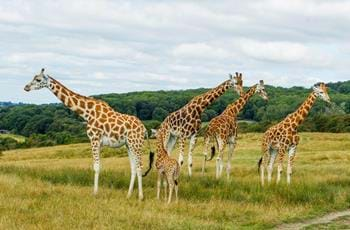
Nubian Giraffe
Even though they have a long neck, approximately 2 meters, they have the same number of neck vertebrae as humans.
Read More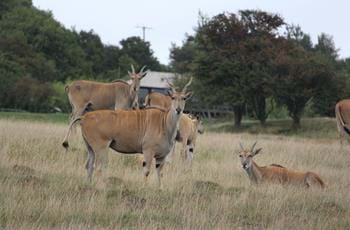
Common Eland
The darkness of the male Common Eland's hair supposedly indicates how aggressive they are.
Read More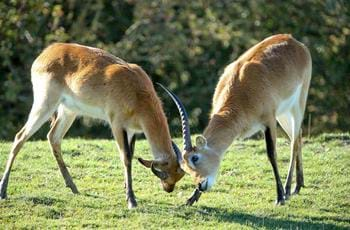
Red Lechwe
Young lechwe are called lambs, with adult males are called rams and females ewes.
Read More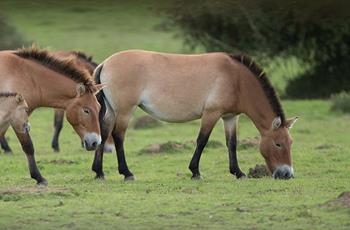
Przewalski's Horse
Approximately 300 Przewalski's horses have now been reintroduced to Mongolia.
Read More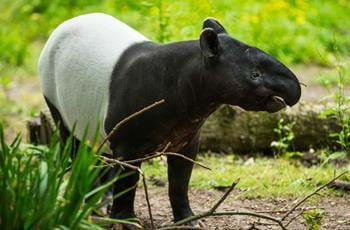
Malayan Tapir
A unique feature that tapir possess is its fleshy prehensile nose that it uses to grab leaves and even use as a snorkel while swimming.
Read More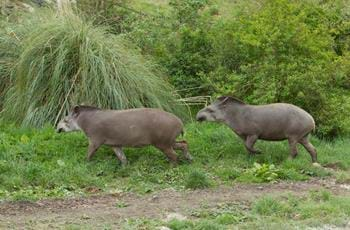
Lowland Tapir
Lowland tapirs are classed as ‘vulnerable’ in the wild, with their threats being deforestation, habitat fragmentation, hunting for their meat and competition with livestock.
Read More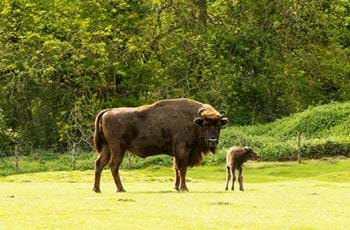
European Bison or Wisent
European bison are browsers eating fresh shoots, leaves, herbs, ferns and shrubs.
Read More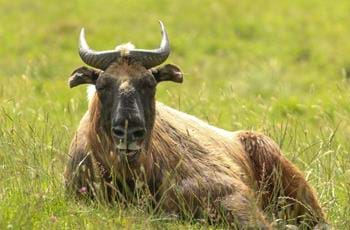
Mishmi Takin
There are less than 3,500 Mishmi takin remaining in the wild, mostly in Tibet.
Read More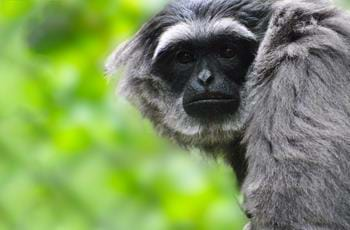
Javan Gibbon
Gibbons are adapted for over-hand swinging, called brachiation, and can easily cover a distance of 10 meters from branch to branch.
Read More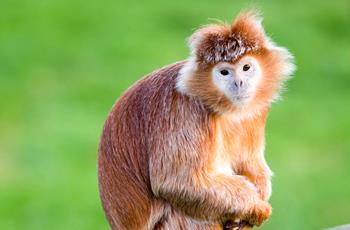
Javan Langur
At birth all infants are a bright apricot colour to ensure they are the centre of the group’s attention.
Read More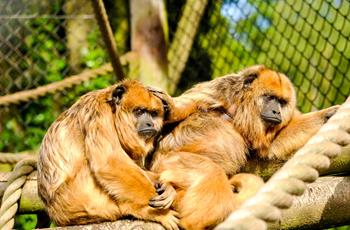
Black & Gold Howler Monkey
Howler monkeys “howl” in the morning and evening to establish their territory; this can be heard approximately 5km away.
Read More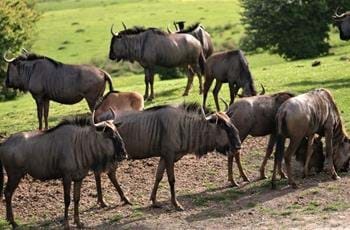
Blue Wildebeest
Blue Wildebeest have one of the world’s great migrations following the rains for up to 1,000 miles per year.
Read More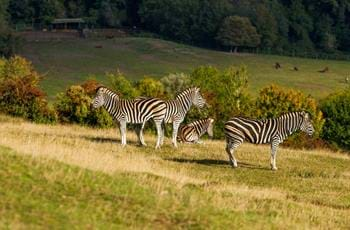
Chapman Zebra
Chapman Zebra are one of the few mammals that can see in colour but cannot see the colour orange.
Read More
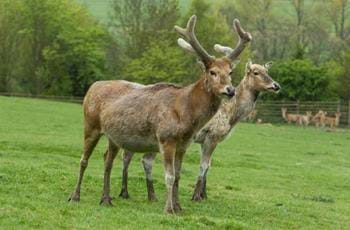
Pere David Deer
Pere David’s Deer are named after Pere David – a French missionary and zoologist who discovered the last of the breed in the Imperial Park in Beijing in the 1800s.
Read More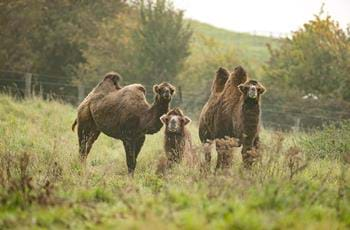
Bactrian Camel
IUCN STATUS: Critically endangered. These are the largest living camels and they can weigh up to 1000kg! They are able to adapt to wide range of environments and are capable of eating virtually anything.
Read More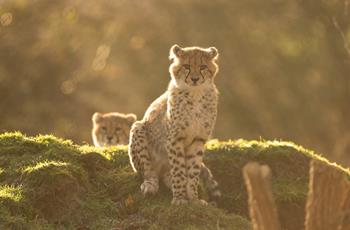
Southern Cheetah
The cheetah is built for speed due to its slender body, powerful legs, deep chest and flexible spine, and they can reach speeds of up to 70 mph but only in short bursts.
Read More
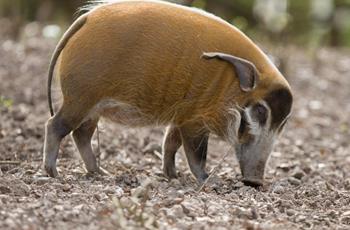
Red River Hog
Red River Hogs are found in forest regions of Central and Western Africa, they have a great sense of smell, using a circular motion with their snouts while sniffing around for food.
Read More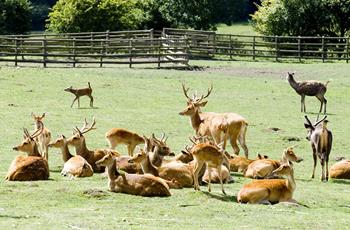
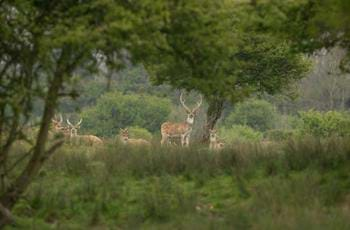
Barasingha
Barasingha have a lovely red coat in the summertime, but as the mating season approaches, the male coat turns a darker shade of brown.
Read More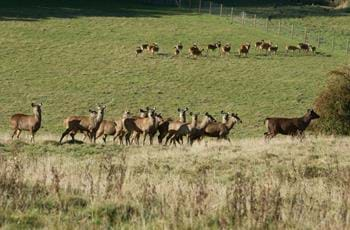
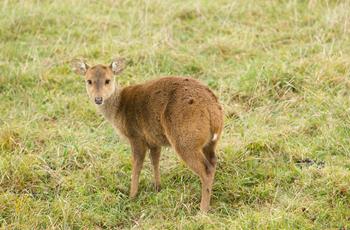
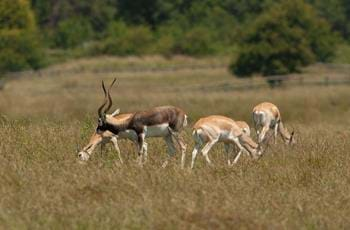
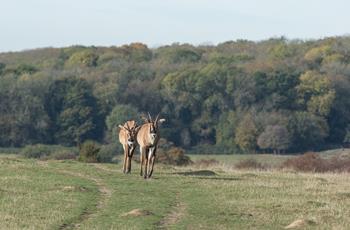
Roan Antelope
Their name comes from their colouring, as their backs are a lovely reddish brown – otherwise known as roan.
Read More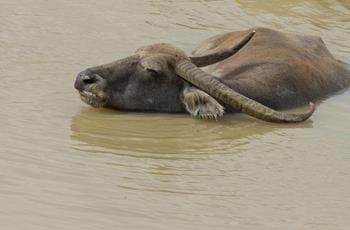
Asian Water Buffalo
These buffalo spend a lot of time submerged in water (Wallows). They can live in herds of up to 30 individuals and females have 1 calf a year.
Read More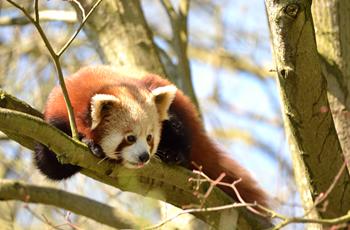
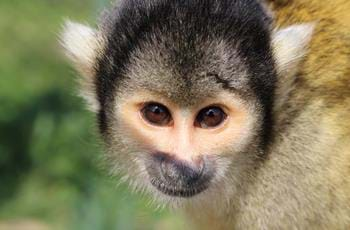
Squirrel Monkey
Squirrel monkeys live in large, female-dominated groups of up to 500. Their small size and light weight allows them to easily forage in the canopy, exploring even the most slender branches to search for fruit, leaves and insects. In the wild, squirrel monkeys are commonly preyed upon by eagles and snakes.
Read More
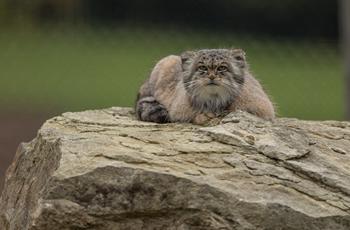
Pallas Cat
Pallas cats are incredibly secretive and change their coat colour seasonally to allow them to blend into rocky habitat.
Read More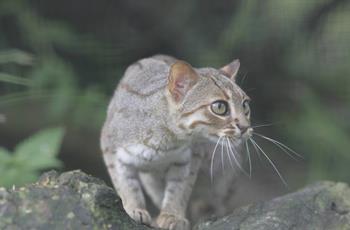
Rusty Spotted Cat
This is one of the smallest cat species in the world. Found in India and Sri Lanka, they prefer a dry deciduous forest, scrub, grassland and rocky areas.
Read More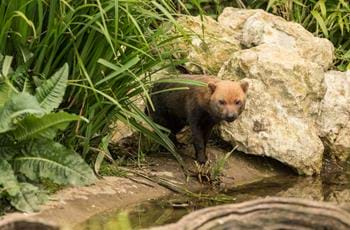
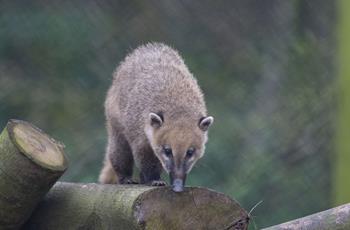
South American Coati
Coatis spend most of their time foraging in trees and use their tails to help balance themselves. They are omnivores that eat a variety of fruit and invertebrates.
Read More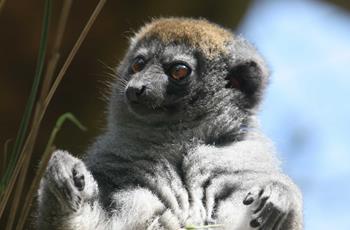
Lesser Bamboo Lemur
One of the smallest bamboo lemurs, they have a dense, woolly coat that varies from grey to olive-grey on the upperparts with chestnut-brown tinges on the head and shoulders.
Read More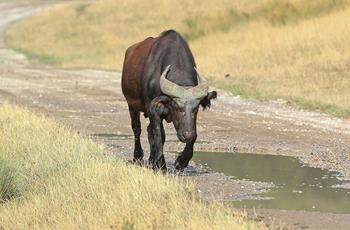
Dwarf Forest Buffalo
Forest Buffalo are bright red in colour, but this darkens with age, especially in the males, they have much shorter horns than the Savannah Buffalo growing no more than 40cm long on both the male and females.
Read More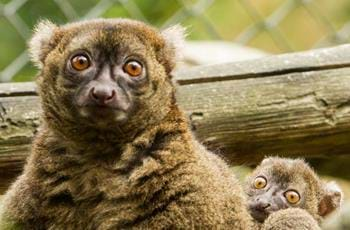
Greater Bamboo Lemur
This is the largest of the bamboo lemurs, recognised by its prominent pale grey or white ear tufts.
Read More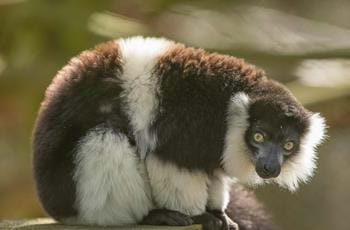
Belted Ruffed Lemur
The largest of the Lemuridae family, belted ruffed lemurs are found in eastern Madagascar in lowland and mid-altitude rainforests.
Read More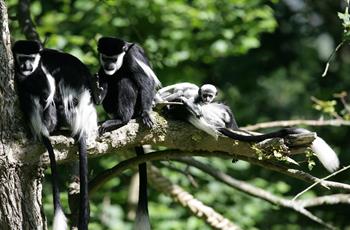
Eastern Black and White Colobus
Black and white colobus have a glossy black fur which is contrasted by their u-shaped cape-like mantle, bushy white tuft at the tip of the tail and short white hair surrounding their face.
Read More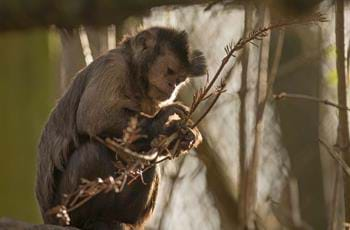
Black Capped Capuchin
Considered the most intelligent of the New World monkeys, black capped capuchin are native to central and south America where they live in a range of habitats, including mangroves and rainforests.
Read More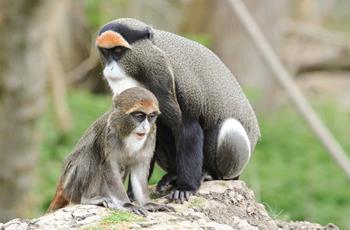
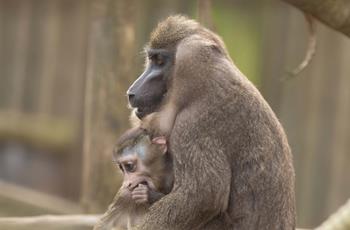
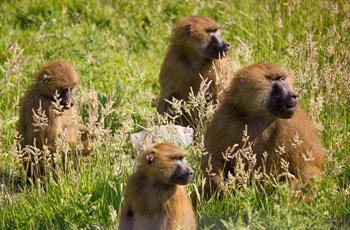
Guinea Baboon
Guinea baboons form large groups of up to 200 individuals and are very social animals.
Read More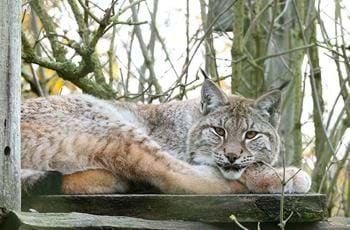
Northern Lynx
Mainly found in coniferous forests or thick woodland, they were almost hunted to extinction although have recently been reintroduced into European countries, such as Switzerland, France and Germany.
Read More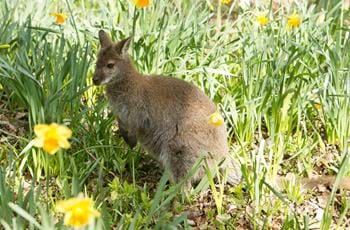
Red Necked Wallaby
Found throughout coastal and highland eastern Australia, Tasmania and the Bass Strait islands, red necked wallabies live off grasses, roots, tree leaves and weeds. They are distinguished by their black nose and paws with a reddish tinge across their shoulders.
Read More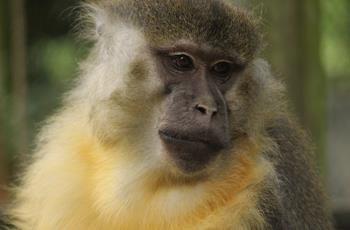
Golden Bellied Mangabey
Only found in the Democratic Republic of Congo in tropical rainforests, golden bellied mangabey are easily distinguishable by their orange fur colouring on their front
Read More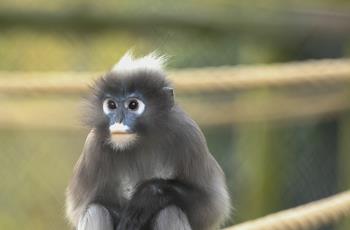
Dusky langur
Also known as the spectacled leaf monkey, dusky langurs are found in southern Malaysia, Myanmar and Thailand.
Read More
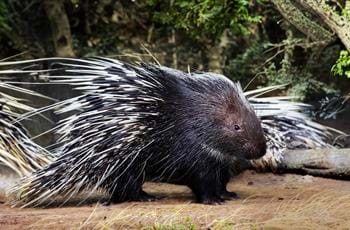
Cape porcupine - Port Lympne Hotel & Reserve
Cape Porcupines (Hystrix africaeaustralis) - are the world's largest porcupines. They are nocturnal, monogamous and generally mild-mannered. Fun fact: Cape porcupines have approximately 30,000 quills on their backs, that are made of keratin, the same thing fingernails are made of.
Read More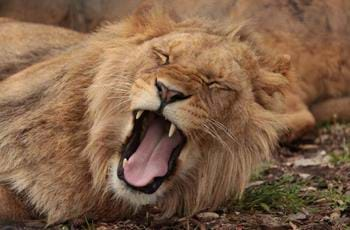
African Lions
Wild lions once roamed across much of Africa, Asia and Europe. Today, they are only found in sub-saharan Africa and a tiny pocket of India.
Read More
Sumatran orangutans
Sumatran orangutans are endemic to the Indonesian island of Sumatra where they were once widespread. Sadly, populations of these striking red apes are declining, mainly due to forest clearance for palm oil plantations, which destroy their habitat and cause populations to become fragmented.
Read More
Sumatran orangutans
Pongo abelii CRITICALLY ENDANGERED (IUCN) Sumatran orangutans are endemic to the Indonesian island of Sumatra where they were once widespread. Sadly, populations of these striking red apes are declining, mainly due to forest clearance for palm oil plantations, which destroy their habitat and cause populations to become fragmented. Orangutans travel several miles a day in search of food and make a new nest every night to sleep in, high in the treetops.
Read More
Sumatran orangutans
Pongo abelii CRITICALLY ENDANGERED (IUCN) Sumatran orangutans are endemic to the Indonesian island of Sumatra where they were once widespread. Sadly, populations of these striking red apes are declining, mainly due to forest clearance for palm oil plantations, which destroy their habitat and cause populations to become fragmented. Orangutans travel several miles a day in search of food and make a new nest every night to sleep in, high in the treetops.
Read More
Sri Lankan leopard
Clouded leopards are capable of hanging from their rear feet, upside down from branches and are very agile climbers, most at home in the canopy where they hunt for primates, birds, slow lorises, ground squirrels, pangolins, porcupines and hog deer.
Read More
Dwarf Mongoose
Despite their tiny size, dwarf mongooses are brave, curious, and fiercely protective of their families!
Read More
Siamang gibbon
Found in Malaysia, Thailand and on the island of Sumatra, the siamang is the largest member of the gibbon family and has one of the loudest calls of all primates, enhanced by their large throat sac.
Read More
Babirusa
Babirusa (meaning pig-deer in Malay) belong to the Suidae family, possess some unique characteristics that set them apart from other pigs. They have long slender deer-like legs, wrinkly skin, and a long slender snout. While the upper canines are small or absent in females, in males they grow upwards, piercing the top of the snout, and curving backwards…
Read More